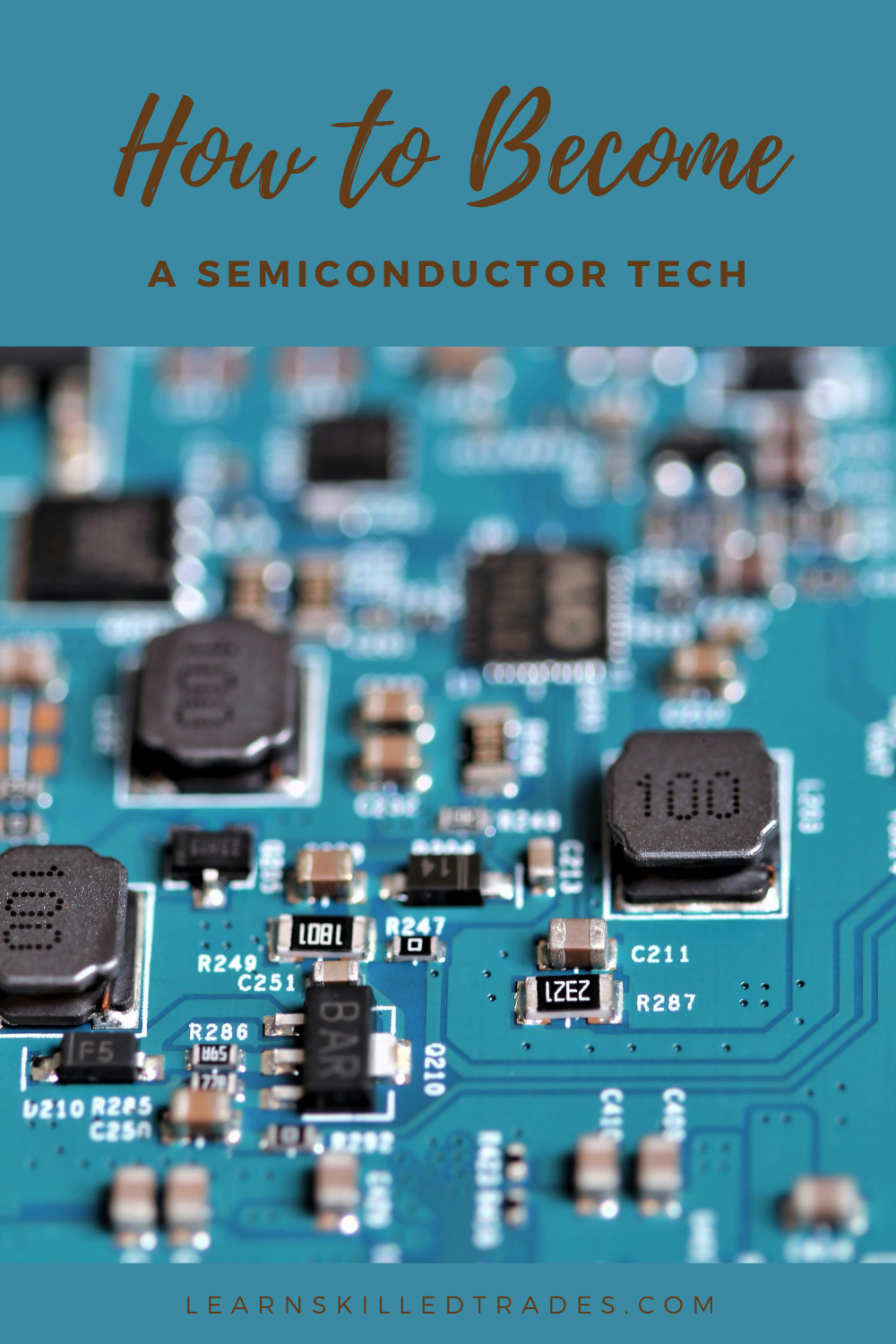
Semiconductor Technician
In today’s tech-driven world, semiconductors are the backbone of virtually every device we use, from smartphones and laptops to medical equipment and advanced vehicles. Behind the scenes, ensuring the smooth production of these essential components are semiconductor technicians. Although they may not always be in the spotlight, their contributions are critical to the success of the semiconductor manufacturing industry.

What Does a Semiconductor Technician Do?
Semiconductor technicians are skilled professionals who operate, monitor, and maintain the equipment used to manufacture semiconductor devices. These devices include microchips, transistors, and other components that power modern electronics. Their role encompasses a variety of responsibilities, such as:
- Equipment Operation: Technicians work with high-tech machinery that performs tasks like wafer etching, lithography, and chemical deposition. They ensure these machines are properly calibrated and functioning efficiently. This attention to equipment optimization directly impacts production quality.
- Process Monitoring: During the manufacturing process, technicians closely monitor operations to detect any abnormalities or inconsistencies. By analyzing data from sensors and making adjustments, they help maintain the integrity of the process.
- Maintenance and Repairs: To avoid costly downtimes, semiconductor manufacturing equipment requires regular maintenance. Technicians routinely check systems, troubleshoot issues, and replace defective parts, ensuring operations remain seamless.
- Quality Control: Technicians play a vital role in quality assurance by inspecting wafers and chips for defects. This effort minimizes waste and improves yield, contributing to the overall efficiency of production.
- Collaboration: Working alongside engineers and scientists, technicians actively provide feedback on equipment performance and manufacturing processes. This collaborative approach fosters continuous improvement across the board.
Semiconductor Technician skills and Education Requirements
A career as a semiconductor technician typically requires a strong background in electronics, mechanical systems, and computer technology. While some positions may only require an associate degree in a relevant field, others may look for certifications or hands-on experience in semiconductor manufacturing.
Key skills for success include:
- Technical Proficiency: Understanding complex machinery and processes is essential for this role.
- Attention to Detail: Because even small errors can lead to significant production issues, precision is critical.
- Problem-Solving: Technicians must troubleshoot equipment and process issues effectively on a daily basis.
- Teamwork: Clear communication and collaboration with colleagues are vital to achieving common goals.
The Importance of Semiconductor Technicians
As the global semiconductor market continues to expand, driven by advancements in artificial intelligence, 5G, and renewable energy technologies, semiconductor technicians play an increasingly crucial role. By ensuring manufacturing processes remain efficient, reliable, and scalable, they directly contribute to this growth.
Moreover, their work supports the production of semiconductors and fuels innovation across various industries. Without their expertise, cutting-edge technologies would struggle to develop, and supply chains for consumer electronics, medical devices, and automotive systems would face significant disruptions.
A Rewarding Career Path
For those passionate about technology and problem-solving, a career as a semiconductor technician offers exciting opportunities. With the industry’s rapid expansion, the demand for skilled technicians is rising, providing job security and competitive salaries. Furthermore, this role places individuals at the forefront of technological innovation, allowing them to make tangible contributions to advancements that shape our world.
In conclusion, semiconductor technicians are an indispensable part of the tech ecosystem. Their expertise ensures that the chips powering our modern lives are produced with precision and quality. As technology continues to evolve, the importance of their role will only grow, making it a dynamic and impactful career choice.
How to grow and Accomplish your Purpose


Leave a Reply