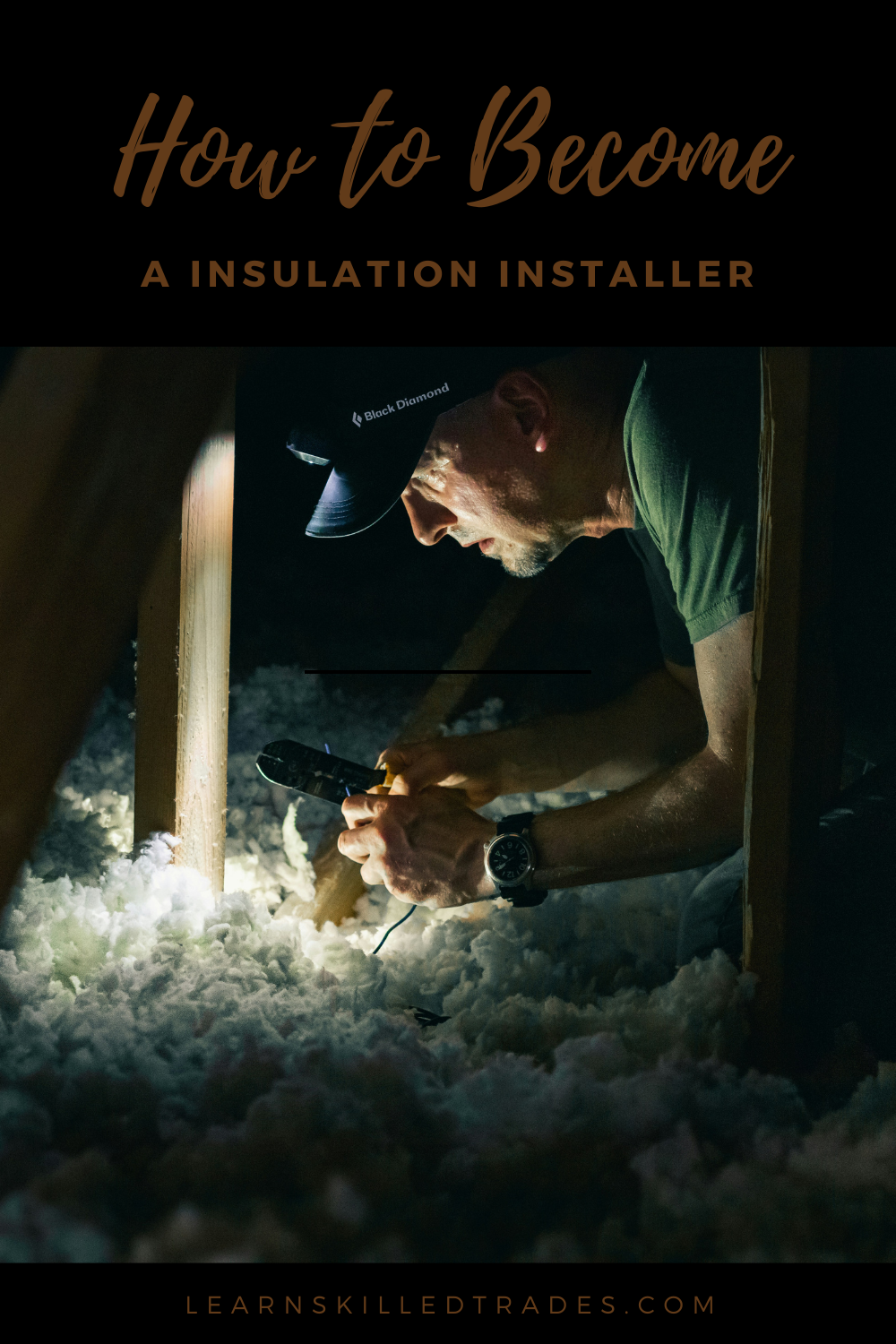
So your thinking about becoming a Insulation Installer
If you’re looking for a rewarding career in the skilled trades, becoming an insulation installer might be the perfect fit. Insulation installers play a critical role in creating energy-efficient and comfortable buildings, whether it’s for residential, commercial, or industrial projects. Here’s a step-by-step guide to help you build a successful career as a skilled insulation installer.

1. Understand the Role of an Insulation Installer
Before diving into this career, it’s essential to understand what insulation installers do. They are responsible for installing materials that regulate temperature, reduce noise, and enhance energy efficiency in buildings. Installers work with various materials, such as fiberglass, foam, cellulose, and spray foam, applying them to walls, ceilings, and floors.
2. Develop Relevant Skills
Successful insulation installers possess a combination of technical skills and physical abilities. Here are some essential skills to focus on:
- Attention to Detail: Accurate measurements and proper placement are critical to ensuring insulation performs effectively.
- Technical Knowledge: Familiarize yourself with different types of insulation materials and their applications.
- Physical Stamina: The job often involves lifting heavy materials, climbing, and working in tight spaces.
- Problem-Solving: You may need to adapt your approach to unique building structures or unexpected challenges.
3. Pursue Formal Training
While some insulation installers learn on the job, completing formal training can give you a competitive edge. Here are some training options to consider:
- Apprenticeships: Join an apprenticeship program to gain hands-on experience while earning a paycheck.
- Trade Schools: Enroll in courses focused on insulation installation and energy efficiency.
- Online Programs: Many online resources and courses cover insulation techniques and safety protocols.
4. Get Certified
Certification isn’t always required, but it can showcase your expertise and boost your job prospects. Consider obtaining certifications such as:
- Certified Insulation Contractor (CIC): Offered by trade organizations to demonstrate proficiency.
- OSHA Safety Certification: Ensures you understand workplace safety regulations.
- Energy Auditor Certification: Expands your skills to include energy assessments, which complement insulation work.
5. Gain Hands-On Experience
Experience is key in the insulation trade. Start by working with established contractors or companies. Many employers are willing to train entry-level workers, allowing you to learn the trade while gaining valuable on-the-job experience.
6. Invest in the Right Tools and Equipment
As an insulation installer, you’ll need specialized tools, such as:
- Utility knives
- Insulation blowers
- Measuring tapes
- Respirators and safety gear
- Staple guns
Investing in high-quality tools can make your work more efficient and professional.
7. Focus on Safety
Safety is paramount in this field. Insulation materials can sometimes release particles or chemicals that may pose health risks. Follow these best practices:
- Always wear protective gear, including gloves, masks, and goggles.
- Ensure proper ventilation in work areas.
- Adhere to Occupational Safety and Health Administration (OSHA) guidelines.
8. Build Your Reputation
To succeed as a skilled insulation installer, build a strong reputation for reliability and quality. Deliver excellent results on every project, communicate effectively with clients, and meet deadlines. Positive reviews and referrals can help you grow your career or business.
9. Consider Specializing
The insulation industry offers various niches you can specialize in, such as:
- Spray foam insulation
- Soundproofing insulation
- Energy-efficient retrofitting
Specializing can set you apart from competitors and open doors to higher-paying opportunities.
10. Explore Entrepreneurship
Once you’ve gained sufficient experience, consider starting your own insulation business. This allows you to set your rates, choose projects, and grow your income potential. Begin by creating a business plan, securing necessary licenses, and marketing your services locally and online.
Final Thoughts
Becoming a skilled insulation installer requires dedication, training, and hands-on experience. With the growing demand for energy-efficient buildings, this trade offers excellent job security and career growth. By following these steps, you can develop the expertise and reputation needed to thrive in this essential industry.
Ready to start your journey? Begin by researching local training programs and apprenticeship opportunities in your area. Your future as a skilled insulation installer awaits!


Leave a Reply