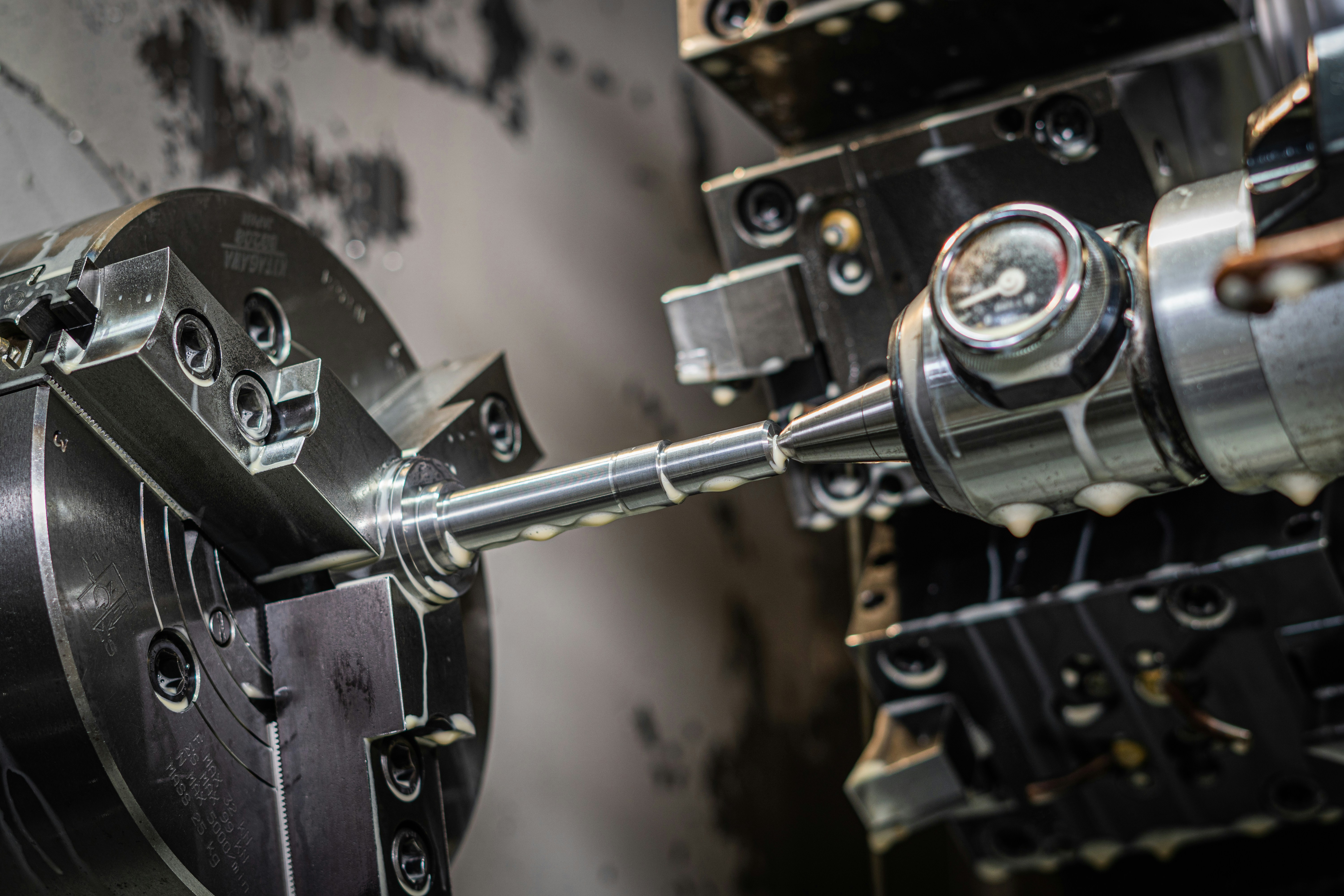
Looking for a hands-on career that pays well, offers stability, and lets you work with advanced technology? Becoming a CNC Machinist in Washington could be your path to a rewarding future. The state’s strong aerospace, maritime, and advanced manufacturing industries create steady demand for skilled machinists who can turn raw materials into precision-engineered parts.
This complete 2025 guide explains everything you need to know from training and apprenticeships to salaries, certifications, and career growth.
What Does a CNC Machinist Do?
CNC (Computer Numerical Control) machinists use computer-guided machines to shape metal, plastic, and composite materials into precise components. They play an essential role in industries like aerospace, defense, energy, and transportation.
Daily responsibilities include:
- Reading and interpreting blueprints or CAD files
- Setting up and operating CNC mills, lathes, and grinders
- Monitoring cutting tools and adjusting programs for precision
- Inspecting finished parts using micrometers and calipers
- Performing routine maintenance and troubleshooting
CNC machinists combine mechanical skill with technical problem-solving. It’s a great fit for people who like precision work and take pride in craftsmanship.
Looking for an apprenticeship? Search every registered apprenticeship program in Washington by trade, region and union or non-union, with starting and journey-level pay, in our free Washington Apprenticeship Finder.
Step 1: Education and Training Requirements
While Washington State does not require a license to work as a CNC machinist, most employers look for candidates with formal technical training or a college certificate. Enrolling in an Advanced Manufacturing or Machining Technology program is the best first step.
Top Training Programs in Washington:
- Bates Technical College – Advanced Machining Program
- Clover Park Technical College – Advanced Manufacturing Program
- Olympic College – Advanced Manufacturing and Precision Machining
- Lake Washington Institute of Technology – Machining Technology
- North Seattle College – CNC Machinist Training
Most programs take 9 months to 2 years to complete and teach:
- CNC programming and setup
- Blueprint reading and geometric dimensioning
- Manual machining and tooling
- Quality assurance and measurement systems
Many programs also include NIMS certifications and opportunities for job placement through employer partnerships.
Step 2: Apprenticeships and On-the-Job Learning
Apprenticeships are a proven way to build real-world experience while earning a paycheck. In Washington, machinist apprenticeships combine classroom instruction with thousands of hours of paid training alongside industry professionals.
Recommended Apprenticeship:
Most programs last 3–4 years and teach advanced machining, programming, inspection, and production management. Graduates often move directly into high-wage positions.
Step 3: Certification and Career Pathways
Although certification isn’t mandatory, earning professional credentials shows employers that you meet national skill standards. Popular options include:
- NIMS (National Institute for Metalworking Skills) Certifications – CNC Milling, Turning, and Measurement
- CNC Programmer Certificates
- OSHA Safety Training (10 or 30-Hour)
After you complete your training, you can pursue roles such as:
- CNC Operator
- Machinist Technician
- Tool and Die Maker
- CNC Programmer
- Quality Control Inspector
Step 4: Advancing Your CNC Machining Career
As your experience grows, new opportunities open up. Many machinists advance into roles like:
- CNC Programmer or Process Engineer
- Shop Supervisor or Production Manager
- Manufacturing Engineer or Instructor
With additional training, you can move into areas like robotics, automation, or precision engineering — fields that continue to expand across Washington.
How Much Do CNC Machinists Make in Washington?
CNC machinists in Washington earn some of the highest wages in the country thanks to the state’s strong industrial base.
Average Pay:
- Hourly: $28–$35 per hour
- Annual Salary: $58,000–$73,000 per year
- Top Earners: $85,000+ annually in aerospace and advanced manufacturing sectors
Job Outlook:
Washington continues to experience steady demand for machinists as older workers retire and new manufacturing projects launch. The combination of Boeing, shipbuilding, and defense industries ensures long-term career stability.
FAQs About Becoming a CNC Machinist in Washington
Do I need a license to become a machinist in Washington?
No. A state license is not required, but employers prefer candidates with formal training and certifications.
How long does it take to become a CNC machinist?
Between 1 and 4 years, depending on whether you complete a technical college program, apprenticeship, or both.
Are machinists in demand in Washington?
Yes. Washington has one of the most active advanced manufacturing sectors in the nation, with hundreds of openings each year.
Can I start working while training?
Yes. Many students begin working as shop assistants or apprentices while finishing their training.
Related Reading
- How to Become a Welder in Washington
- Highest Paying Trades in Washington (2025)
- Learn about the 25 most in Demand Trades in Washington
About the Author
Written by Lester Burkes
Lester Burkes is a workforce development professional and skilled-trades advocate committed to helping people start careers that lead to financial freedom. His work focuses on connecting individuals to high-quality training and apprenticeship opportunities across the United States.


Leave a Reply