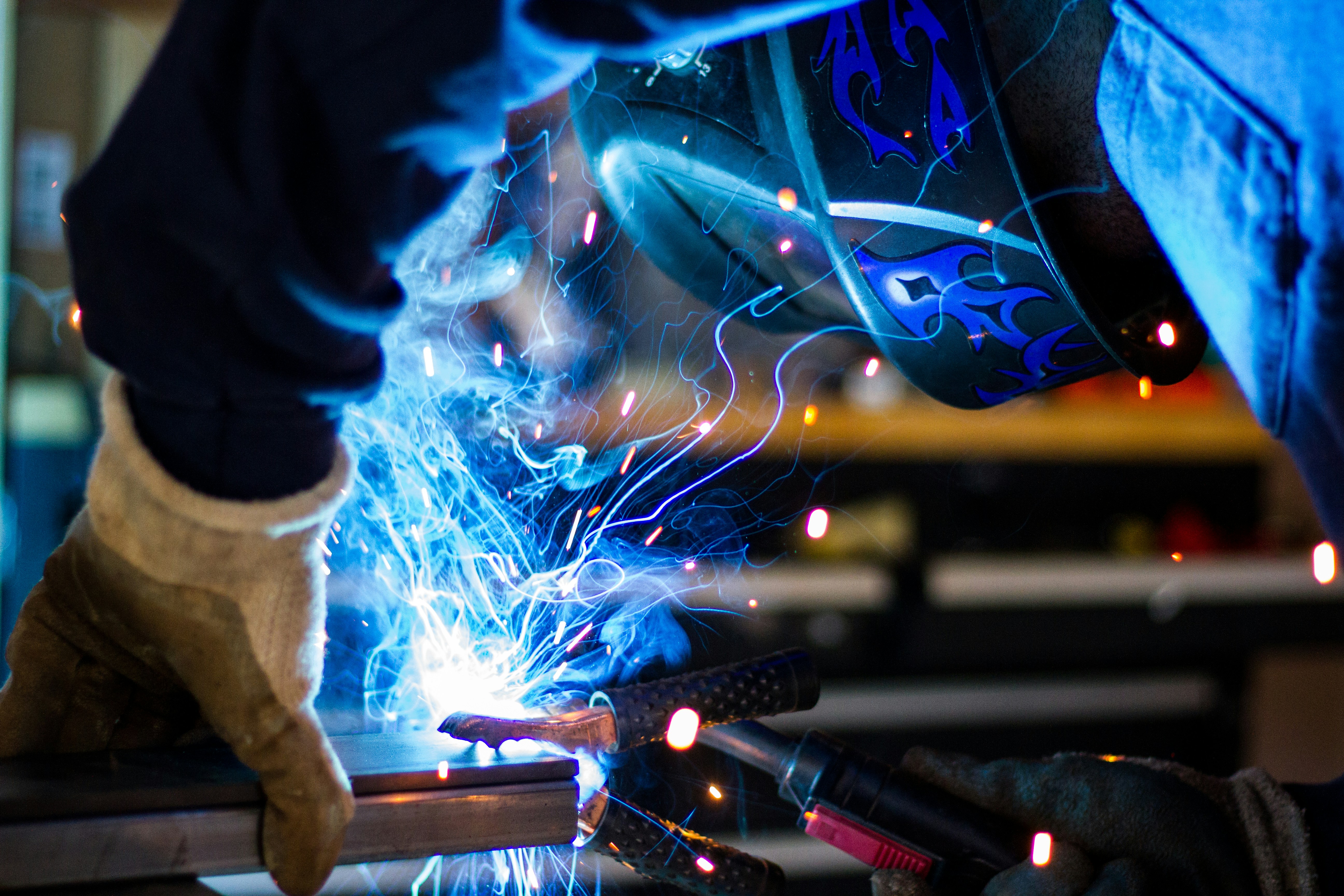
How to Become a Welder in Washington State: Your Complete Guide

As a Workforce Development Dean, I often see students who are curious about getting a career started in welding but are unsure of everything it entails. Welding is a career pathway that you will almost certainly need to go to school and get a certification or degree before you will be able to successfully enter the field. In this article, I hope to demystify what it takes to become a welder and give people looking to become a welder in Washington State a clear path forward.

Full disclosure: I work at Clover Park Technical College, but this guide covers welding programs across Washington State to help you find the best option for your location and needs.

Why Choose Welding in Washington State?

Strong Earning Potential

Welders in Washington earn competitive wages, with average hourly rates around $25 per hour, translating to approximately $52,441 annually. However, your earning potential can vary significantly based on several factors:

  • Location matters: Seattle welders earn higher rates, averaging around $32.52 per hour
  • Experience pays: Entry-level welders typically earn $21-22 per hour, while experienced professionals can earn $28 per hour or more
  • Top earners: Skilled welders can make over $35 per hour
  • Union positions: Union welders often secure better wages and benefits

High Demand Industry

Welding remains a high-demand trade in Washington, with opportunities across multiple sectors including aerospace, maritime, construction, and manufacturing.

Do You Need Formal Education to Become a Welder?

Here’s the good news: there’s no formal education requirement to become a welder in Washington State. Currently, no license is required, though Washington leads the nation in voluntary certification processes through AWS (American Welding Society) and WABO (Washington Association of Building Officials). However, proper training is essential for gaining the skills and knowledge necessary to work safely and competitively.

Your path can include:

  • Vocational training programs (most common)
  • Apprenticeships under experienced journeymen
  • On-the-job training with four years of experience
  • Community college programs

Training Options in Washington State

Welding Schools Throughout Washington State

Washington offers excellent welding programs across the state. Here are your options based on location:

Puget Sound/South Sound Region

Clover Park Technical College (Lakewood)

  • Recently designated as an NC3 (National Coalition of Certification Centers) school
  • Can become certified in just two quarters
  • Evening and weekend classes available
  • Comprehensive welding technology program
  • Located in Lakewood, convenient for Tacoma area residents

Bates Technical College (Tacoma)

  • One of only two Washington colleges accredited by the American Welding Society (AWS)
  • Associate’s degree option available
  • Strong industry reputation

Renton Technical College

  • Essential welding techniques training
  • Certificate for job entry and AAS degree options
  • Training in seven welding processes

South Seattle College

  • Welding and metal fabrication program
  • Blueprint reading and computer training included
  • AAS degree, AAS-T degree, and certificate options

Eastside/Seattle Area

Lake Washington Institute of Technology (Kirkland)

  • Latest welding processes and techniques
  • Hands-on training and blueprint interpretation
  • WABO certification testing available on-site
  • In-state tuition: approximately $5,156 annually

South King County

Green River College (Auburn)

  • WABO certification test preparation
  • Comprehensive welding technology program
  • Convenient for south King County residents

Northwest Region

Bellingham Technical College (BTC)

  • Advanced manufacturing degrees and certificates
  • Hands-on training in welding and related fields
  • Two-year degree options available

Western Washington

Olympic College (Bremerton)

  • Welding and manufacturing trades program
  • Note: No license required in Washington, but voluntary certification recommended

Community Discussions and Recommendations

According to welding communities on Reddit, popular recommendations include:

  • Lake Washington Technical College’s welding program
  • Seattle Pipe Trades (Local 32 Plumbers Pipe Fitters apprenticeship)
  • Divers Institute of Technology (DIT) for specialized underwater welding

How Long Does Training Take?

The timeline for becoming a welder in Washington varies by path:

  • Fast-track programs: 6-7 months for basic certification
  • Standard vocational programs: 6-18 months
  • Associate’s degree: 2 years
  • Apprenticeships: Typically 4 years with on-the-job training

Cost of Welding School in Washington

Budget planning is essential. Here’s what to expect:

Tuition Costs:

  • Community colleges: $4,000-$6,000 for certificate programs
  • Vocational schools: $5,000-$15,000
  • Specialized training centers: Up to $20,000+

Additional Expenses:

  • Personal welding gear and supplies: $500-$1,000
  • Books and materials: Varies by program
  • WABO certification exam fees
  • Safety equipment

Financial Aid Options:

  • Washington State Opportunity Scholarship
  • Federal grants and loans
  • Institutional scholarships
  • Employer sponsorship programs

The WABO Certification Advantage

The Washington Association of Building Officials (WABO) certification is voluntary but highly valuable. Many employers prefer or require WABO certification, which demonstrates your competency in specific welding areas.

Key points about WABO:

  • Voluntary certification process
  • Washington leads the nation in this certification
  • Increases job opportunities and earning potential
  • Available at select institutions like Lake Washington Institute of Technology
  • Requires valid ID (driver’s license, passport, or state/federal ID) to test

Is Welding Hard to Learn?

The short answer: welding basics aren’t exceptionally hard to learn, but mastery takes time.

Beginner-Friendly Aspects:

  • MIG welding is considered the easiest starting point
  • Basic techniques can be learned relatively quickly
  • Structured programs provide step-by-step instruction

Challenges to Prepare For:

  • Different welding processes have varying difficulty levels
  • TIG welding requires more precision and coordination
  • Developing a steady hand takes consistent practice
  • Theoretical knowledge about materials is essential
  • Safety procedures must be strictly followed

Success Tips:

  • Start with MIG welding to build confidence
  • Focus on proper metal preparation
  • Invest in quality safety gear from day one
  • Practice consistently and don’t get discouraged
  • Learn from experienced instructors

Career Requirements in Washington

Based on state job specifications, typical requirements include:

  • Completion of a recognized welder apprenticeship, OR
  • Course completion at a welder’s training school, OR
  • Four years of experience in the welding trade
  • Some positions require a valid driver’s license
  • Physical ability to perform welding tasks

Next Steps: Starting Your Welding Career

1. Research Programs Contact schools directly to learn about their current tuition, schedules, and specializations. Ask about:

  • Financial aid opportunities
  • Job placement rates
  • Available certifications
  • Class schedules (day, evening, weekend options)

2. Create Your Budget Include all costs: tuition, books, supplies, certification fees, and living expenses during training.

3. Consider Your Specialization Washington offers opportunities in various welding specialties:

  • Structural welding
  • Maritime/shipyard welding
  • Aerospace welding
  • Pipeline welding
  • Underwater welding (specialized training)

4. Apply for Financial Aid Explore scholarships, grants, and other assistance programs early in your planning process.

5. Prepare Physically and Mentally Welding can be physically demanding. Consider conditioning yourself for:

  • Standing for extended periods
  • Working in various positions
  • Heat and environmental conditions
  • Heavy lifting requirements

Is Welding Right for You?

Consider welding if you:

  • Enjoy hands-on, practical work
  • Have good hand-eye coordination
  • Can focus on detail-oriented tasks
  • Are comfortable with technical learning
  • Want a stable career with growth potential
  • Don’t mind physical work

Age is Not a Barrier It’s never too late to start welding. Many successful welders begin their training at 30, 40, or even later. The trade welcomes career changers who bring maturity and dedication.

Final Thoughts

Becoming a welder in Washington State offers a practical path to a stable, well-paying career without requiring a four-year degree. With training programs ranging from several months to two years, affordable community college options, and strong job demand, it’s an accessible career choice for many.

The key is choosing the right training program for your goals, dedicating yourself to learning the craft, and considering voluntary certifications like WABO to maximize your employment opportunities. Whether you’re in Seattle, Tacoma, Spokane, or elsewhere in Washington, quality training programs are available to help you forge your path in this essential trade.

Ready to start your welding career? Contact one of Washington’s excellent welding programs today and take the first step toward a rewarding future.

Lean about some of the best trades to get into if you are looking for a new career and are over the age of 30!

One thought on “How to Become a Welder in Washington State: Your Complete Guide

Add yours

Leave a Reply

Up ↑

https://learnskilledtrades.com/privacy/

Discover more from Learn a Skilled Trade

Subscribe now to keep reading and get access to the full archive.

Continue reading

Verified by MonsterInsights