Summary
Washington State is one of the fastest-growing regions for clean energy careers, and wind power is leading the charge. If you’re looking for a hands-on, high-paying trade with a future, becoming a wind turbine technician is a strong choice. This guide explains everything you need to know education, training, certifications, salary, and where to start your journey in Washington.
What Does a Wind Turbine Technician Do?
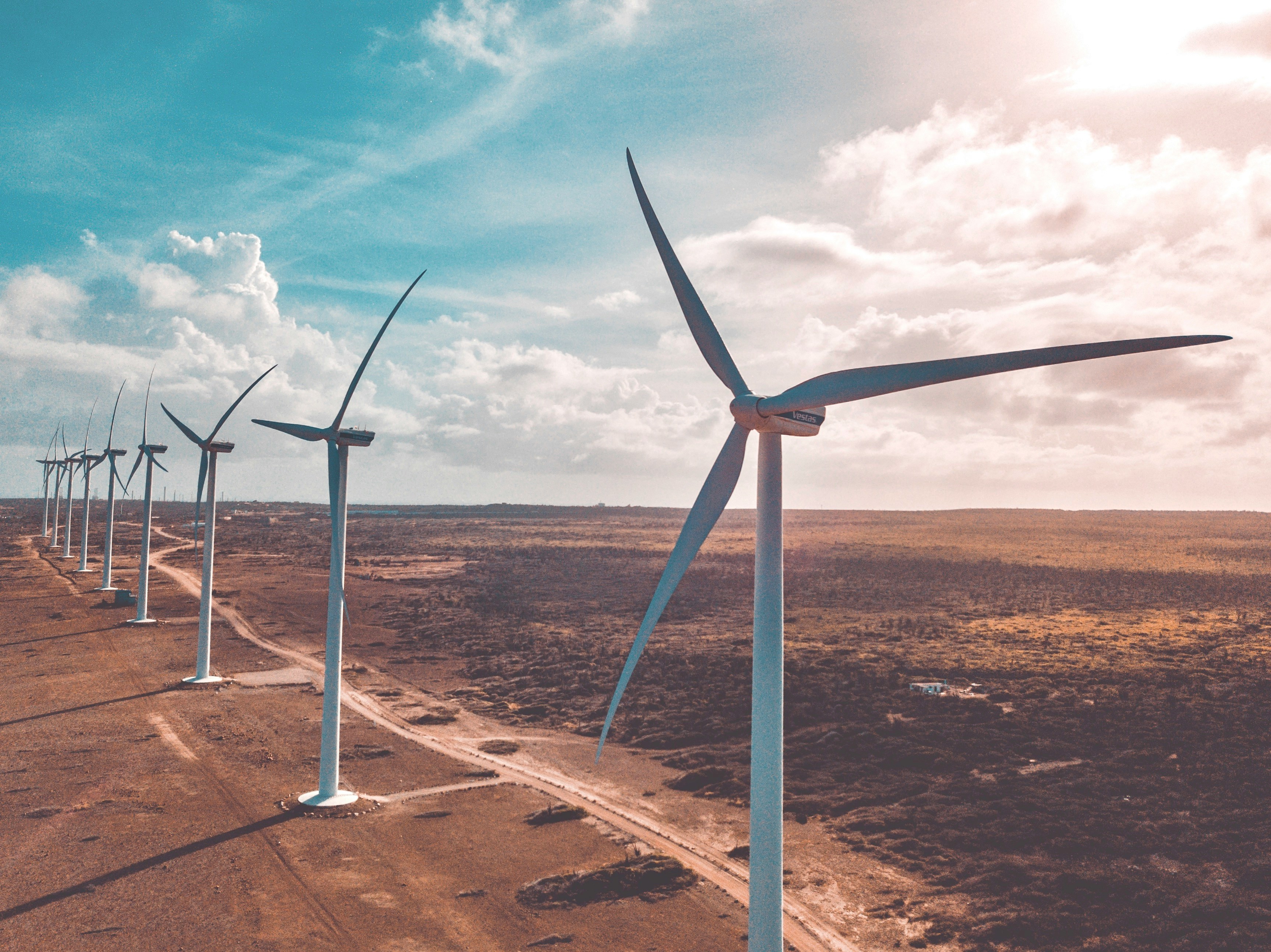
Wind turbine technicians, also known as wind techs, install, maintain, and repair large wind turbines that generate renewable electricity. Their work includes troubleshooting mechanical and electrical systems, climbing towers up to 300 feet, and ensuring turbines operate safely and efficiently.
Typical duties include:
- Inspecting blades, brakes, and towers
- Testing electrical components and sensors
- Maintaining hydraulic and mechanical systems
- Working outdoors in variable weather conditions
Looking for an apprenticeship? Search every registered apprenticeship program in Washington by trade, region and union or non-union, with starting and journey-level pay, in our free Washington Apprenticeship Finder.
Education and Training Requirements in Washington
Most wind turbine technicians start with a certificate or associate degree in wind energy or renewable energy technology. You’ll learn electrical systems, hydraulics, climbing safety, and turbine maintenance.
Top Washington training programs:
- Walla Walla Community College – Offers a two-year Wind Energy Technology program focused on turbine operation and safety.
- Northwest Renewable Energy Institute (Vancouver, WA) – Specialized hands-on program covering wind turbine systems and electrical safety.
- Career Bridge Washington – Lists approved training programs and apprenticeship options for wind technicians across the state.
(Visit CareerBridge.wa.gov to explore options.)
Certifications and Safety Training
While Washington does not require a state license for wind turbine technicians, most employers look for:
- OSHA Safety Certification
- First Aid/CPR
- Tower Climbing & Rescue Training
- Electrical and Mechanical Competency Certifications
Earning these certifications during or after your technical training gives you a competitive edge.
Salary and Job Outlook in Washington
Wind turbine technicians are among the fastest-growing trades in the U.S. According to the U.S. Bureau of Labor Statistics, employment for wind techs is projected to grow 45% through 2032, far above the average for all occupations.
Washington State averages:
- Entry-level: $48,000 – $55,000 per year
- Experienced: $65,000 – $80,000+ per year
- Top employers: Avangrid Renewables, Siemens Gamesa, Vestas, and Puget Sound Energy
These positions often include travel, overtime pay, and strong union or benefits packages.
Steps to Become a Wind Turbine Technician in Washington
- Earn your high school diploma or GED
- Complete a technical training program (preferably at an accredited Washington school)
- Obtain safety and industry certifications
- Apply for internships or entry-level field technician roles
- Gain hands-on experience and specialize (maintenance, installation, or blade repair)
Education and Training Pathways in Washington
Washington no longer has dedicated, full-time “Wind Turbine Technician” programs active at community or technical colleges. However, students can prepare for this career by completing related energy, electrical, and industrial maintenance training available at several schools across the state.
Recommended alternatives:
- Clover Park Technical College (Lakewood, WA) – Programs in Low Voltage Electrical, HVAC, and Mechatronics provide foundational skills in electrical systems, troubleshooting, and safety used in wind energy work.
- Columbia Basin College (Pasco, WA) – Offers Energy Systems Technology and Industrial Maintenance Technician programs that teach electrical, mechanical, and control systems common in turbine maintenance.
- Bellingham Technical College – Offers training in Industrial Technology, Electrical Fundamentals, and Renewable Energy basics.
- Yakima Valley College – Provides coursework in Industrial Technology and advanced electrical systems relevant to renewable energy.
- Apprenticeships and field experience – Many technicians enter the field through related apprenticeships in electrical, industrial maintenance, or mechanical trades, then move into renewable energy employers once they gain experience.
Related Skilled Trades in Washington
Interested in other high-demand trades? Explore these guides next:
- How to Become an Ironworker in Washington
- How to Become an Elevator Mechanic in Washington
- How to Become a Heavy Equipment Operator in Washington
Final Thoughts
As Washington continues investing in renewable energy, wind turbine technicians will remain essential to maintaining a cleaner power grid. If you’re mechanically inclined, comfortable with heights, and ready for adventure, this is a career with both purpose and stability.
About the Author
Lester Burkes is the Dean of Trades, Transportation and Apprenticeship at Clover Park Technical College in Washington State and the founder of LearnSkilledTrades.com. He’s passionate about helping students and adults find rewarding careers in the skilled trades and renewable energy industries


Leave a Reply