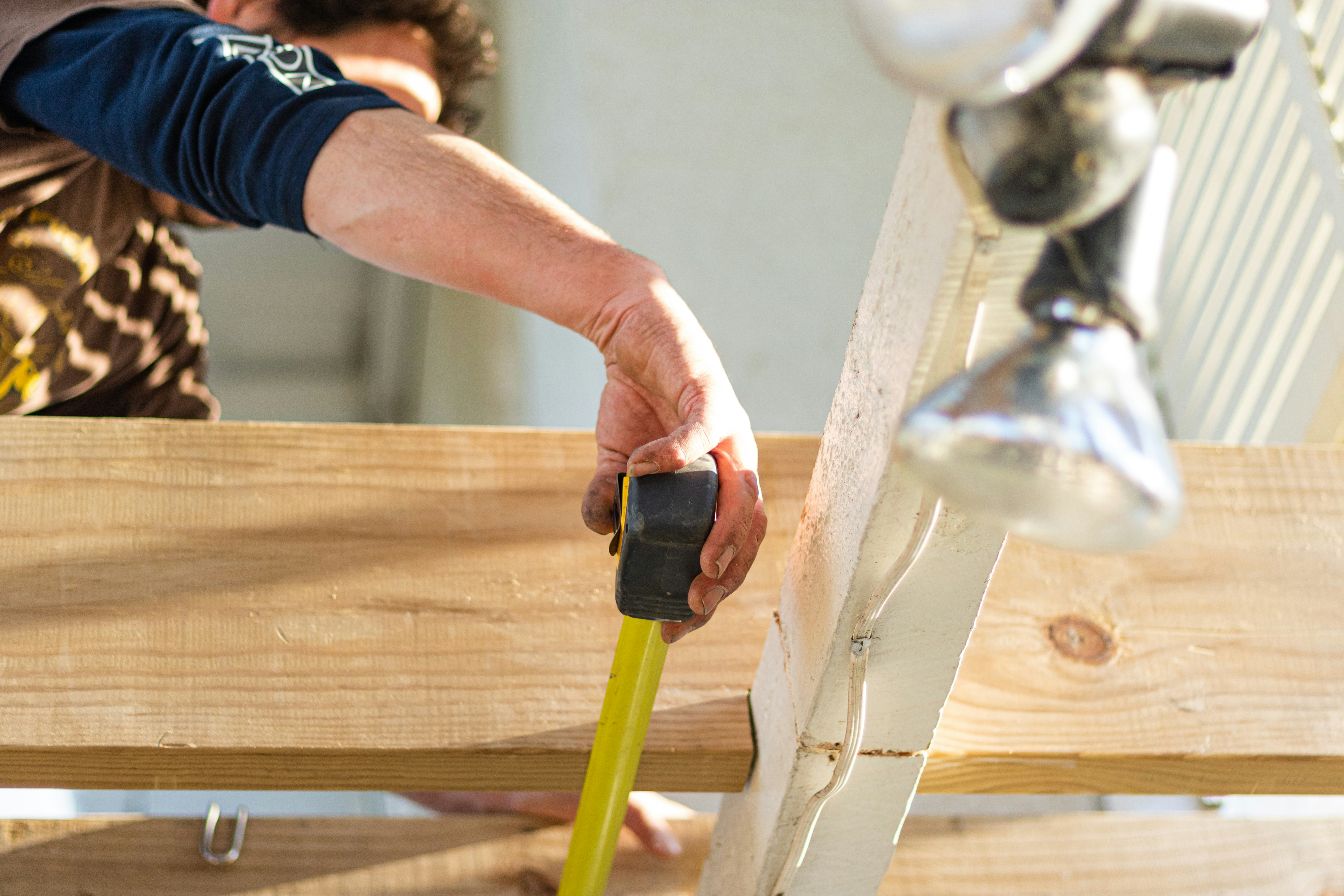
Summary for becoming a Carpenter in California
Get your high school diploma → Apply to a union apprenticeship → Train for 3-4 years → Earn journey-level certification → Specialize and advance
Starting pay: $4,647-$5,869/month (state positions). Private sector often pays more. Zero student debt. Earn while you learn. Benefits included.
The Hook: Skip the Student Loans, Build Your Future Instead
College isn’t for everyone. And with student loan debt averaging $30,000+, maybe it shouldn’t be.
Here’s the truth: While your friends accumulate debt pulling all-nighters, you could be earning a paycheck, learning a skilled trade, and building structures that’ll outlast their term papers.
Welcome to carpentry. Not your grandpa’s trade anymore (though he probably made bank doing it).
Why This Matters
California Needs Skilled Carpenters—Desperately
The construction industry is booming. Skilled carpenters are scarce. Translation? Job security. Good wages. Real career growth.
The reality:
- Start at $4,647-$5,869/month minimum
- Zero student debt at graduation
- Earn while you learn
- Graduate with 4,800 hours of actual experience
- Medical, dental, vision, and pension benefits
Plus, job satisfaction. You’ll see what you build. That house? You framed it. Beat that, spreadsheet warriors.
The Core Idea
Apprenticeship Is Your Golden Ticket
Forget traditional college. Carpentry apprenticeships are the original earn-while-you-learn programs, perfected over decades.
Why it’s brilliant:
No lecture halls. No theories you’ll never use. Just real job sites with experienced carpenters teaching you the craft.
The kicker? Union apprenticeships through the United Brotherhood of Carpenters include benefits most college students dream about: medical insurance, dental, vision, pension plans, and annuity.
Try getting that with your unpaid internship.
Step 1: Meet the Basic Requirements
Education Requirements
High school diploma or GED. That’s it.
No SAT scores. No essays about “your leadership journey.” Just proof you graduated.
High school students: Take carpentry, drafting, and math classes now. Future you will be grateful.
Age Requirements
- 18 years minimum
- 17 with parental consent
- No maximum age (career changers welcome!)
Physical Requirements
Be honest—carpentry is physical work. You need:
- Ability to lift materials
- Stamina to work on your feet all day
- Comfort with heights and scaffolding
- Coordination to operate power tools safely
You must read and understand English for safety instructions. They’re not multiple choice—they’re life and death.
Step 2: Find Your Apprenticeship Program
Union Apprenticeships: Your Best Bet
The United Brotherhood of Carpenters (UBC) runs California’s gold standard programs.
Southern California:
- Los Angeles – (213) 739-9339
- San Diego – (858) 621-2667
- Santa Ana – (714) 571-0449
- Ontario – (909) 824-9033
- Bakersfield – (805) 323-8759
- Sylmar – (818) 364-7460
Central California:
- Fresno – (559) 266-0273
Northern California:
- Pleasanton – (925) 462-9644
- Fairfield – (707) 399-2880
- Morgan Hill – (408) 778-1552
Pick up the phone. Call. Your future is waiting.
Alternative Route: Community College
Not ready to jump in? Community colleges offer carpentry certificates. An Associate degree can substitute for two years of required experience.
Think of it as a warmup lap.
Step 3: Ace the Application Process
Attend the Information Session
Most programs require an info session first. Show up. Pay attention. Get your application code.
It’s orientation, except you’re learning about a career that actually pays bills.
Submit Your Paperwork
- Complete application thoroughly
- Prove legal work status
- Double-check everything
Not the time for “creative” interpretations of details.
Pass the Assessments
Expect:
- Math assessment (basic construction math)
- Skills evaluation
- Interview with selection team
Interview tip: Be honest. Show enthusiasm. Prove you’re teachable. They want learners, not know-it-alls.
Step 4: Complete Your Apprenticeship
The Numbers
- Duration: 4 years minimum
- Work hours: 4,800 hours required
- Classroom: 144 hours yearly (612 total)
You’ll spend most time doing actual carpentry, with regular classroom sessions building your knowledge foundation.
Hands-On Training
Concrete Formwork – 1,200 hours
Building molds for concrete structures. Like sculpting, except your canvas weighs tons.
Framing – 1,300 hours
The skeleton of buildings. Creating bones that everything hangs on.
Finish Carpentry – 800 hours
Detail work making buildings beautiful. Trim, molding, cabinets. Precision matters here.
Building Envelope & Weatherization – 700 hours
Keeping outside out, inside in. Critical in California’s varied climates.
Solar Systems & Specialty Work – 800 hours
21st century skills. Green construction and alternative energy are huge here.
Classroom Topics
- Safety training (OSHA, tool safety, first aid, CPR)
- Construction mathematics (calculations that actually make sense)
- Blueprint reading (construction’s language)
- Building codes (legal requirements explained)
- Green construction (sustainable practices, CalGreen codes)
Competency Evaluations
Before each advancement, prove your skills. Like video game level-ups, except rewards are real money and actual abilities.
Step 5: Earn Journey-Level Certification
After 4,800 hours and final evaluations—congratulations! You’re a certified journey-level carpenter.
What this means:
- Work independently
- Command higher wages
- No longer “the apprentice”
- New opportunities open up
Starting salary: $4,647-$5,869/month for state positions. Private sector often higher.
Zero student loans. Not bad.
Step 6: Advance Your Career
Specialization Options
Cabinet Making – 4 years, 4,800 hours
Custom cabinetry and fine woodwork. For perfectionists.
Acoustical Installation – 3 years, 3,600 hours
Suspended ceilings, sound systems. Quieter than expected.
Drywall Application – 3 years, 4,800 hours
Interior finishing, metal framing. More technical than it looks.
Hardwood Floor Laying – 3 years, 3,600 hours
Strip flooring, finishing, athletic floors. Craftsmanship underfoot.
Millwright – 4 years, 4,800 hours
Machinery installation, precision work. Engineering meets carpentry.
Pile Driver – 4 years, 4,800 hours
Foundation work, bridges, marine construction. Heavy-duty stuff.
Scaffold Erector – 4 years, 4,800 hours
Safety systems for construction sites. Supporting other trades.
Shingler – 2 years, 2,400 hours
Roofing, weatherization, solar. Keeping California dry (when it rains).
Keep Growing
- Get additional certifications (more skills = more money)
- Continue education at technical schools
- Learn Spanish or another local language (many employers prefer bilingual carpenters)
Bonus: High School Students Start Here
The UBC’s Career Connections Program is built for you.
What you get:
- Four-year introduction to the trade
- Basic through advanced skills
- Construction safety training
- Employability skills (teamwork, initiative, goal-setting)
- Potential advanced placement in apprenticeships
Graduate high school already ahead. While classmates figure out their third major change, you’re building your foundation.
Literally.
State Examination (For State Jobs)
Want to work for the State of California? Pass the Carpenter 1 examination.
Online test covers:
- Carpentry knowledge
- Tool familiarity
- Math and measurement
- Safety and building codes
- Blueprint reading
Passing score: 70%
Retake wait: 12 months
Pro tip: Calculators allowed. Use it.
The Big Takeaway
Becoming a California carpenter isn’t a backup plan—it’s a legitimate, lucrative career with incredible potential.
What you’re really getting:
- Always in-demand skilled trade
- Competitive wages, zero student debt
- Union benefits (medical, dental, vision, pension)
- Job satisfaction from tangible results
- Multiple specialization paths
- Entrepreneurship opportunities (many start their own businesses)
The path: education → apprenticeship → certification → specialization → success.
While others debate their liberal arts ROI, you’ll be building California’s future—and your own.
Your Next Steps
Ready to build your carpentry career?
- Call your local UBC training center (numbers above)
- Attend an information session
- Submit your application
- Prepare for assessments
- Start your apprenticeship
Carpentry isn’t just building structures—it’s building a life. A career with stability, growth, and satisfaction from creating something real.
The construction industry is calling. California is growing. Your certification is waiting.
Time to build your future. Literally.
Remember: Every master carpenter was once an apprentice who refused to quit. Your journey starts with one phone call.

Leave a Reply